Featured Snippet
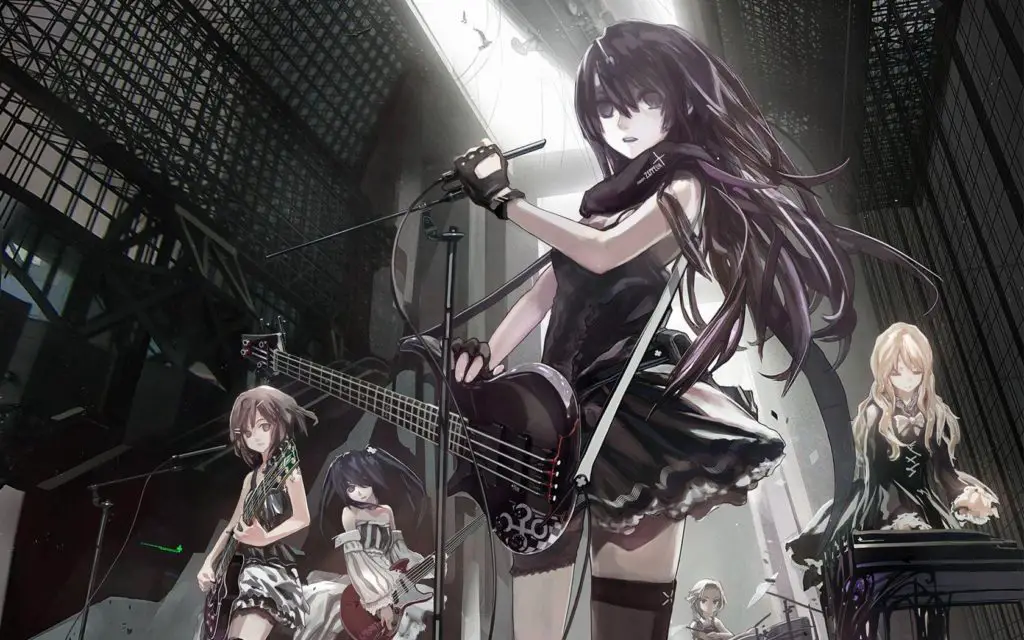
Harajuku culture is a Japanese youth fashion movement focused on creativity, individuality, and bold self-expression. It originated in Tokyo and became famous for colorful outfits and rule-breaking fashion styles. Anime, streetwear, and pop culture strongly influence Harajuku fashion today.
Introduction to Harajuku Culture
Harajuku culture is one of Japan’s most visually striking and globally recognized youth fashion movements.
It represents fearless self-expression, bold creativity, and a complete rejection of traditional fashion limitations.
This vibrant culture emerged in Tokyo and quickly captured worldwide attention through media and street photography. Harajuku fashion blends anime, streetwear, music, and pop culture into one expressive lifestyle.
Today, Harajuku culture influences modern fashion trends across Asia, Europe, and North America.
Its playful designs and experimental outfits attract anime fans, artists, and fashion enthusiasts alike.
Where Is Harajuku Located?
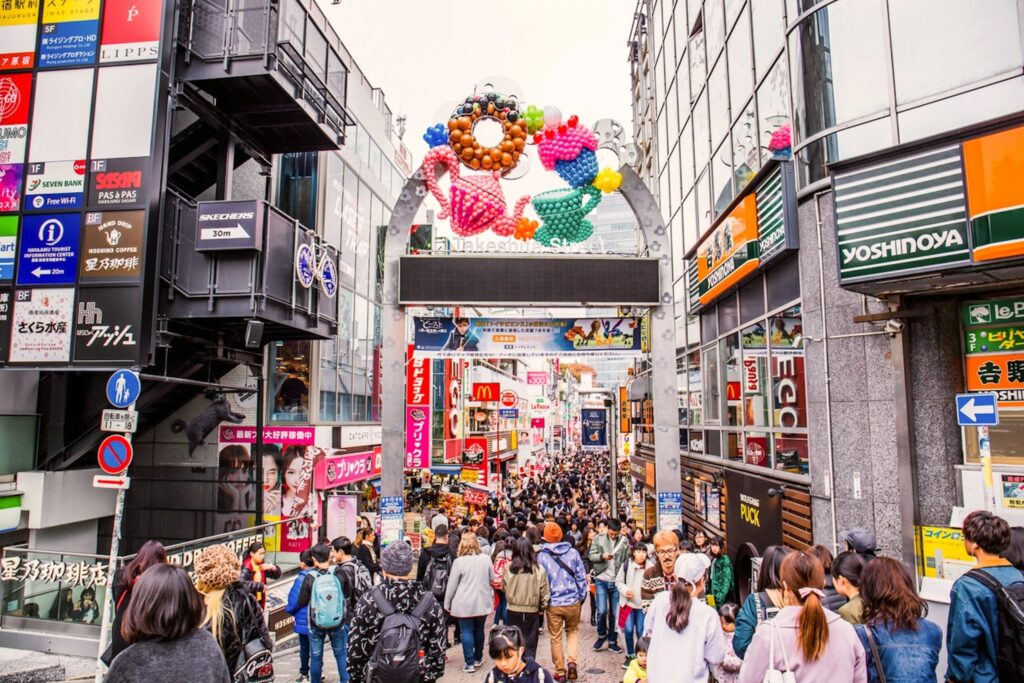
Harajuku is a popular fashion district located in Tokyo, Japan, between the busy areas of Shibuya and Shinjuku.
The neighborhood surrounds Harajuku Station and stretches along the famous Takeshita Street.
Takeshita Street serves as the center of Harajuku fashion and youth culture.
The street is narrow, energetic, and always filled with young people wearing eye-catching outfits.
Small boutiques, thrift stores, and themed cafes line both sides of the street.
The Origins of Harajuku Culture
Harajuku culture began developing after World War Two, when Japanese youth sought freedom from strict social expectations.
Young people started experimenting with clothing, hairstyles, and makeup to express personal identity.
The movement gained momentum during the 1980s and 1990s with support from fashion magazines.
Street photographers helped spread Harajuku fashion by showcasing real people instead of professional models.
This grassroots approach made Harajuku culture authentic, relatable, and constantly evolving.
Core Values of Harajuku Style
Individuality stands at the heart of Harajuku culture, allowing people to dress without fear of judgment.
There are no fixed rules, trends, or seasonal limitations in Harajuku fashion.
Creativity is valued more than luxury brands or designer labels. Confidence and self-expression complete every Harajuku-inspired outfit.
This mindset attracts anime lovers, musicians, designers, and creative thinkers worldwide.
Popular Harajuku Fashion Styles
Lolita Fashion
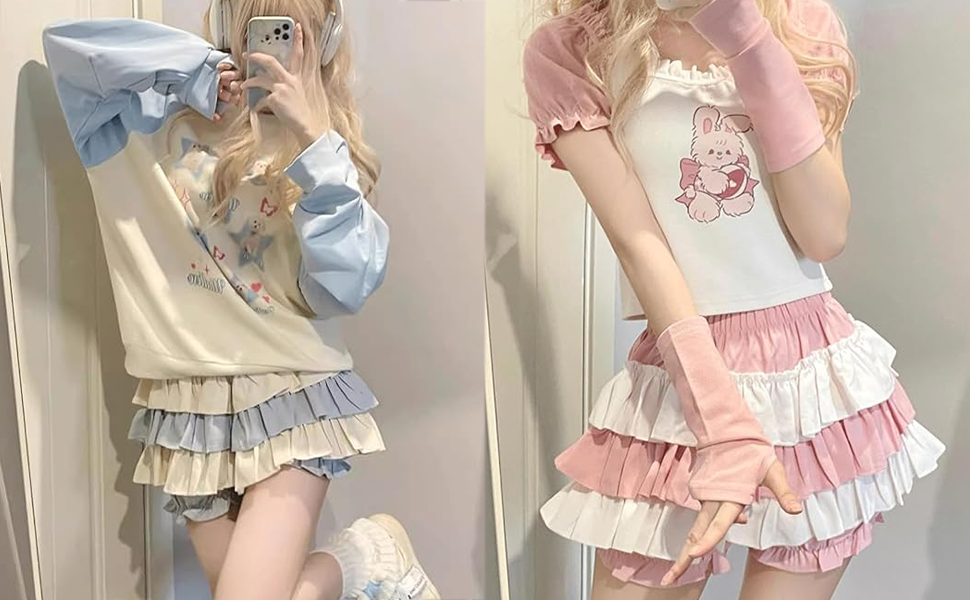
Lolita fashion is elegant, detailed, and inspired by Victorian and Rococo-era clothing designs.
It features lace dresses, puffed skirts, parasols, and delicate accessories.
Gothic Lolita focuses on darker tones, while Sweet Lolita highlights pastel colors and playful patterns.
Despite misconceptions, Lolita fashion emphasizes elegance rather than costumes.
Decora Style
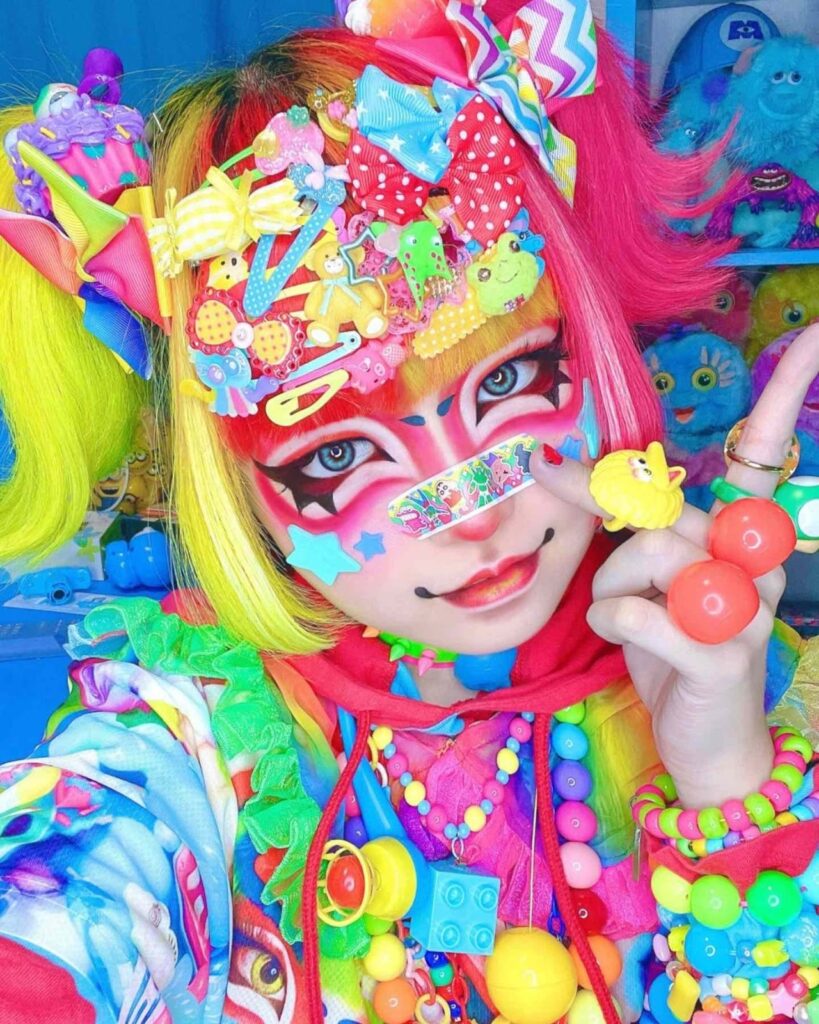
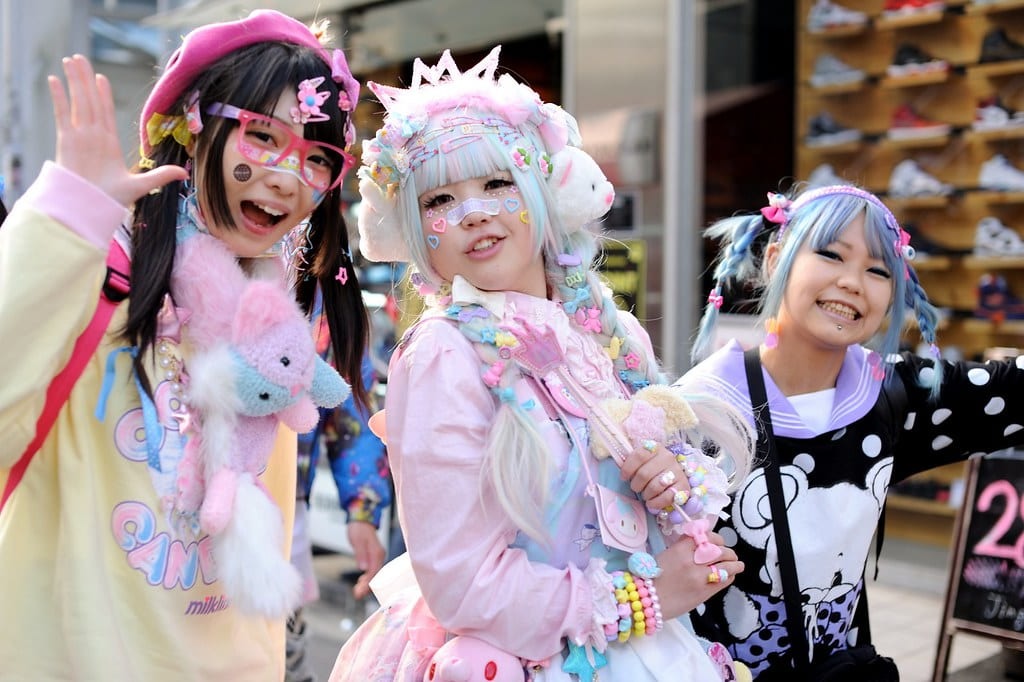
Decora fashion is bright, playful, and intentionally excessive in appearance.
Wearers decorate themselves with colorful accessories, hair clips, stickers, and layered clothing.
The style celebrates joy, childhood nostalgia, and visual chaos.
Decora fashion perfectly reflects Harajuku’s love for creative freedom.
Visual Kei Influence
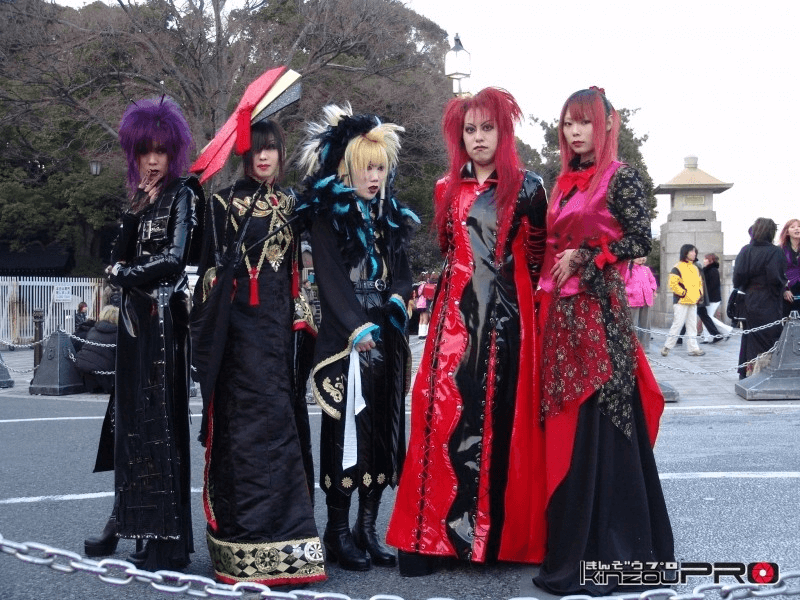
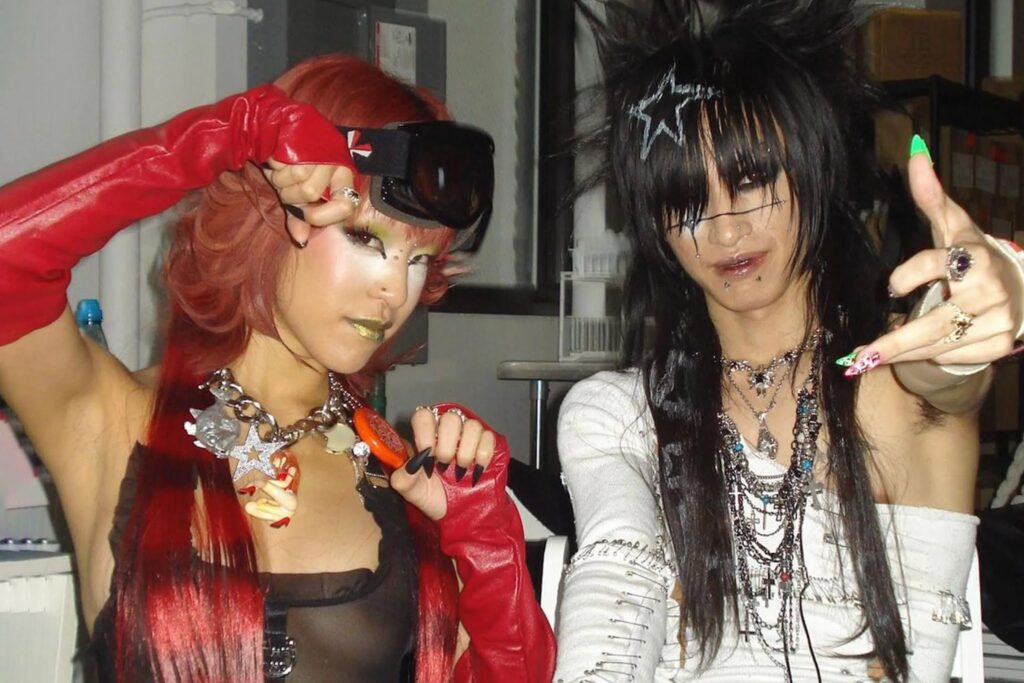
Visual Kei is a music-driven fashion style influenced by Japanese rock bands. It uses dramatic hairstyles, heavy makeup, and theatrical clothing elements.
Leather, metal accessories, and bold silhouettes define this intense look.
Visual Kei strongly influenced Harajuku fashion during the late 1990s.
Streetwear and Anime Influence
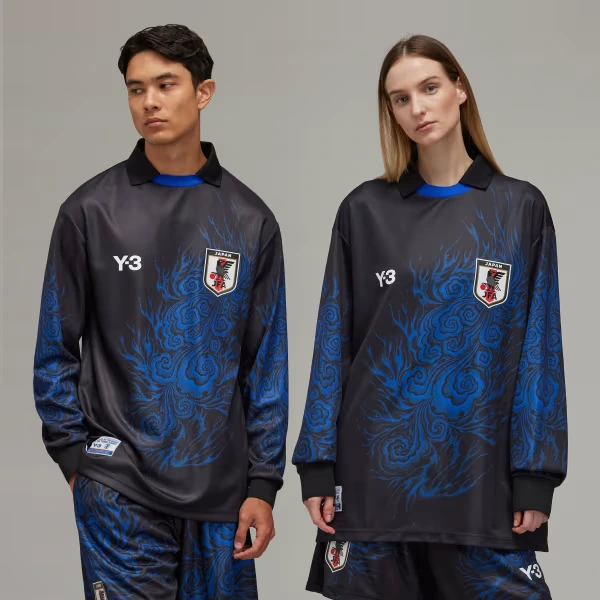
Modern Harajuku culture heavily incorporates Japanese streetwear and anime-inspired fashion elements.
Oversized hoodies, graphic shirts, layered outfits, and sneakers dominate today’s looks.
Anime-themed designs add personality and fandom expression to everyday clothing.
Otaku fashion has also become popular among Harajuku youth. Many fans wear Anime jersey collections as statement streetwear pieces.
Harajuku Culture and Anime
Anime plays a major role in shaping Harajuku fashion trends and visual identity.
Many outfits are inspired by anime characters, color palettes, and fictional worlds.
Cosplay elements often blend into everyday street fashion.
This fusion creates unique looks that feel expressive rather than costume-like.
Anime jerseys allow fans to showcase fandom while staying fashionable.
Food and Lifestyle in Harajuku
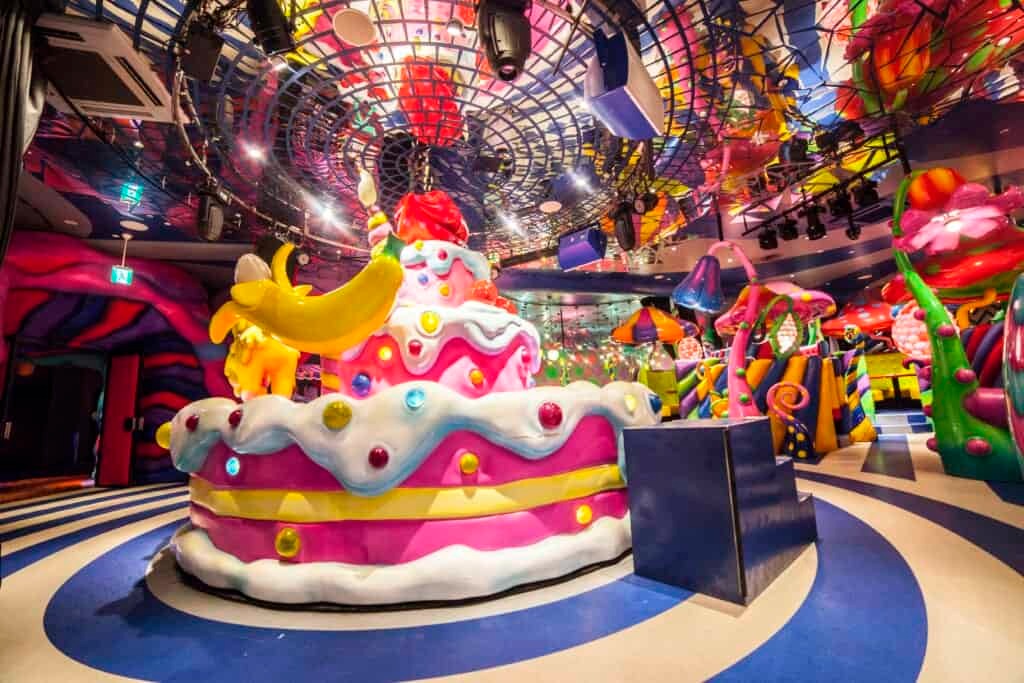
Harajuku is famous for creative, colorful, and Instagram-worthy food experiences.
Rainbow crepes and animal-shaped desserts attract tourists and locals alike. Themed cafes often feature anime decorations and playful interiors.
Food presentation reflects the same creativity found in Harajuku fashion.
Music and Harajuku Culture
Music strongly influences Harajuku fashion choices and cultural identity.
J-pop, electronic music, and rock genres shape outfit aesthetics.
Artists like Kyary Pamyu Pamyu helped introduce Harajuku visuals to global audiences.
Her colorful music videos perfectly reflected Harajuku’s playful fashion energy.
Music and fashion continue evolving together within this culture.
Also Read >> 17+ Musical Anime About Bands That You Must Watch!
Global Impact of Harajuku Culture
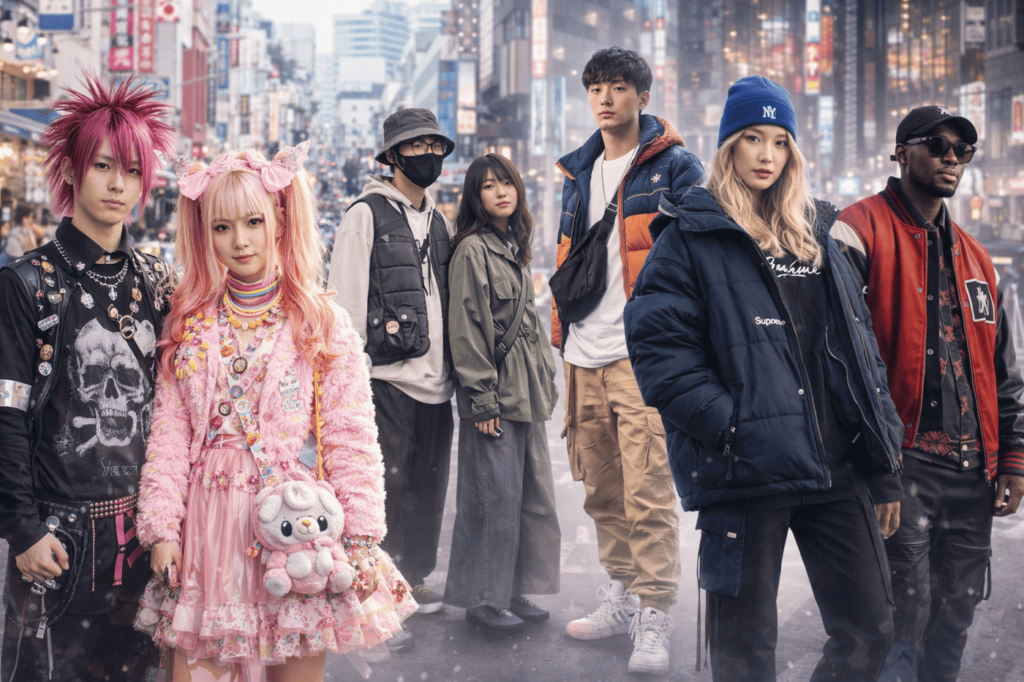
Harajuku culture quickly spread worldwide through magazines, social media, and fashion shows.
International designers adopted bold colors, layering, and playful elements from Harajuku style.
Anime conventions and pop culture events helped introduce Harajuku fashion to global fans. The culture became a symbol of Japanese youth creativity.
Harajuku Fashion and Modern Streetwear
Modern Harajuku fashion blends traditional creativity with contemporary streetwear trends.
Loose fits, layered silhouettes, and expressive graphics remain popular choices.
Anime and sports fashion naturally merge within this evolving style.
Wearing a Japan jersey perfectly matches Harajuku street aesthetics. These outfits balance comfort, identity, and visual impact.
Why Harajuku Culture Still Matters Today
Harajuku culture continues evolving with modern fashion and digital platforms.
Social media helps new generations discover and reinvent this iconic style.
Young people still visit Takeshita Street to express individuality through fashion.
The culture encourages confidence, creativity, and self-acceptance.
Also Read >> Kawaii Culture: How Is It Portrayed in Anime?
Conclusion: The Spirit of Harajuku
Harajuku culture represents more than fashion trends or street style. It embodies freedom, creativity, and personal expression.
Anime, music, and streetwear shape its global identity. Harajuku continues inspiring people to dress boldly and live authentically.